



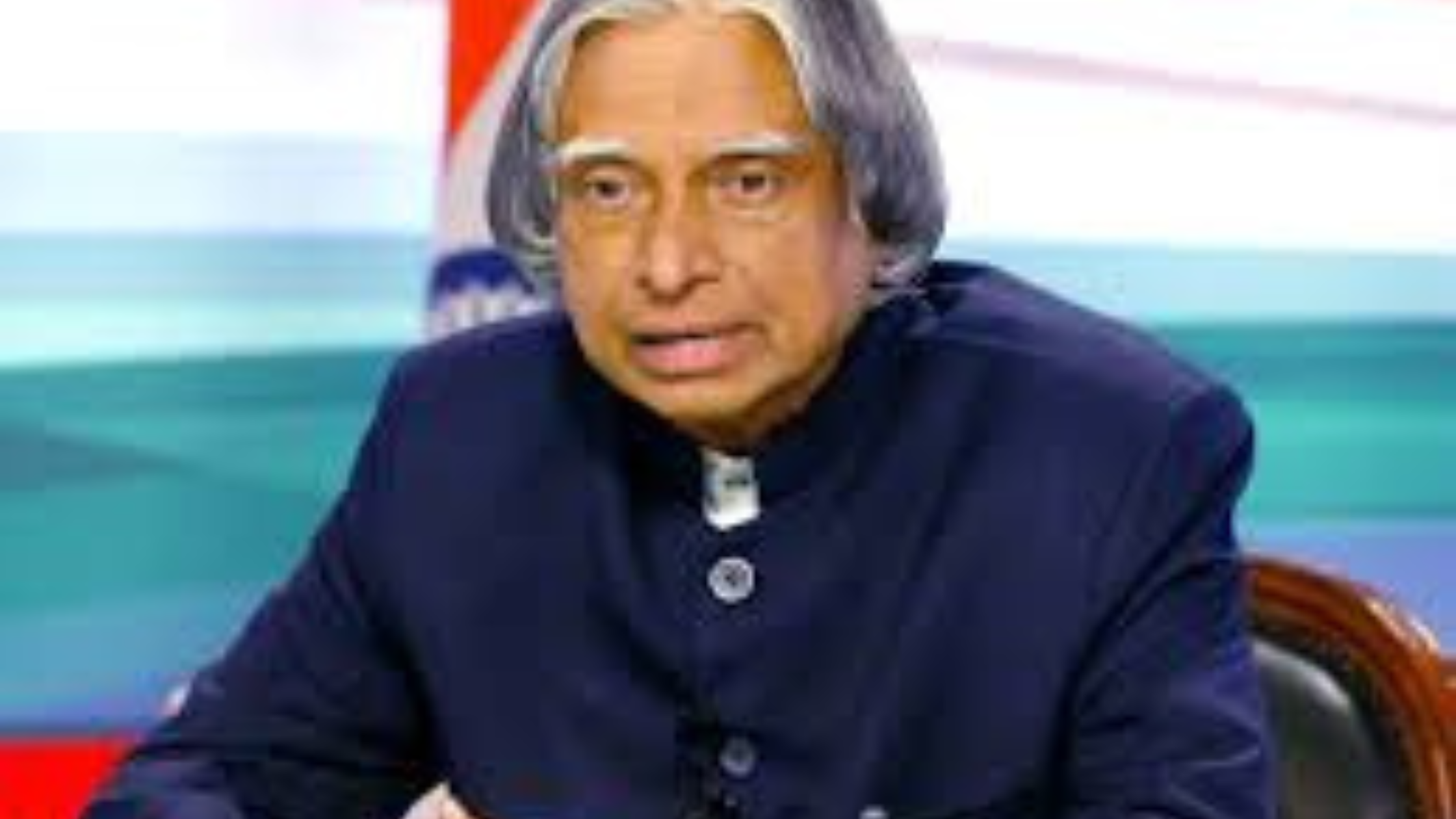
Dr. A. P. J. Abdul Kalam is remembered not just as India’s “Missile Man” or as a beloved former President, but as one of the greatest educators the country has ever seen. His life was a shining example of how knowledge, humility, and vision can transform not only an individual but an entire nation. From humble beginnings in Rameswaram to the highest office in India, Dr. Kalam’s journey was powered by his love for learning and his passion for teaching. He believed that education was the foundation of a strong nation and dedicated his life to inspiring millions of students, teachers, and leaders to dream big and work hard for a better future.
Dr. Kalam’s Philosophy of Education
Focus on Holistic Development
Dr. Kalam’s educational philosophy went far beyond textbooks and exams. He emphasized the need for holistic development—nurturing the mind, body, and spirit of every learner. He believed that education should not only impart knowledge but also instill values, creativity, and a sense of purpose. According to him, the true aim of education was to help students become autonomous learners—individuals who can think independently, respect authority, and also question it when necessary.
Importance of Teachers
Dr. Kalam always identified himself first as a teacher, even after becoming the President of India. He often said that teachers are the backbone of any country, as they shape the minds and futures of the next generation. He urged teachers to ignite creativity in students, build their character, and help them develop the confidence to innovate and solve problems. He believed that the relationship between teachers and students should be based on trust, encouragement, and mutual respect.
Creativity and Innovation
For Dr. Kalam, creativity was at the heart of education. He famously said, “Learning gives creativity, creativity leads to thinking, thinking provides knowledge, knowledge makes you great”. He wanted the education system to nurture curiosity, encourage questioning, and promote scientific temper among students. He believed that a creative mind is essential for progress, both for individuals and for the nation as a whole.
Contributions to Modern Education
Integration of Technology
Dr. Kalam was a visionary who understood the power of technology in transforming education. He advocated for technology-enhanced learning solutions, such as digital libraries, virtual classrooms, and tele-education systems, especially for students in remote and rural areas. His efforts led to the creation of virtual laboratories and universities, making quality education accessible to all, regardless of their location or background.
Skill-Based and Value-Based Education
Long before “skill development” became a buzzword, Dr. Kalam stressed the importance of equipping students with practical skills alongside academic knowledge. He believed that education should prepare students not just for exams, but for life. This meant teaching them problem-solving, teamwork, leadership, and ethical values. He wanted the education system to create leaders who ask, “What can I do for you?” rather than “What can you do for me?”.
Focus on Rural and Equitable Education
Dr. Kalam was deeply concerned about the disparities in education between urban and rural India. He advocated for planning good school education in villages, ensuring that every school had basic amenities like proper buildings, lighting, ventilation, clean drinking water, and playgrounds. He believed that only when every child, regardless of their background, had access to quality education, could India truly progress.
Vision for Teachers and Students
Role of Teachers
Dr. Kalam had great respect for teachers and often addressed them directly in his speeches. He urged them to see themselves as builders of society, responsible not just for academic excellence but for nurturing the values and vision of their students. He wanted teachers to inspire students to dream big, think independently, and work towards the betterment of society.
Empowering Students
Dr. Kalam saw students as the future of the nation. He encouraged them to excel in their studies, develop their capacities for inquiry and creativity, and become lifelong learners. He believed that education should help students discover their passions and give them the confidence to pursue their dreams. His interactions with students were always filled with warmth, encouragement, and practical advice.
Moral and Spiritual Values
Dr. Kalam believed that education must also nurture the moral and spiritual dimensions of a person. He often spoke about the importance of character, ethics, and respect for all religions. His own life was a testament to these values—he practiced his faith with devotion, respected other religions, and promoted unity and harmony among people of different backgrounds.
Lasting Impact and Legacy
Inspiration to Millions
Dr. Kalam’s influence as an educator is felt across generations. His books, speeches, and interactions with students continue to inspire millions to aim higher and work harder. His birthday, October 15, is celebrated as World Students’ Day, a tribute to his lifelong commitment to education and youth.
Reforms in Education Policy
Many of Dr. Kalam’s ideas have found their way into India’s education policies, such as the emphasis on skill development, use of technology in classrooms, and focus on holistic and inclusive education. His vision continues to guide educators, policymakers, and students in building a stronger, more equitable education system.
Conclusion
Dr. A. P. J. Abdul Kalam’s legacy as an educator is one of hope, inspiration, and transformation. He taught by example, showing that with knowledge, hard work, and the right values, anyone can overcome obstacles and achieve greatness. His vision for education was simple yet profound: nurture creativity, build character, empower teachers, and make quality education accessible to all. As India moves forward, Dr. Kalam’s teachings remain a guiding light, reminding us that the true strength of a nation lies in the minds and hearts of its people.
“Education is the most powerful weapon which you can use to change the world.”
— Dr. A. P. J. Abdul Kalam
Dr. Kalam’s life and work remind us that every teacher can be a nation-builder, and every student has the potential to change the world. That is why he will always be remembered as one of the greatest educators of India.






Leave feedback about this