



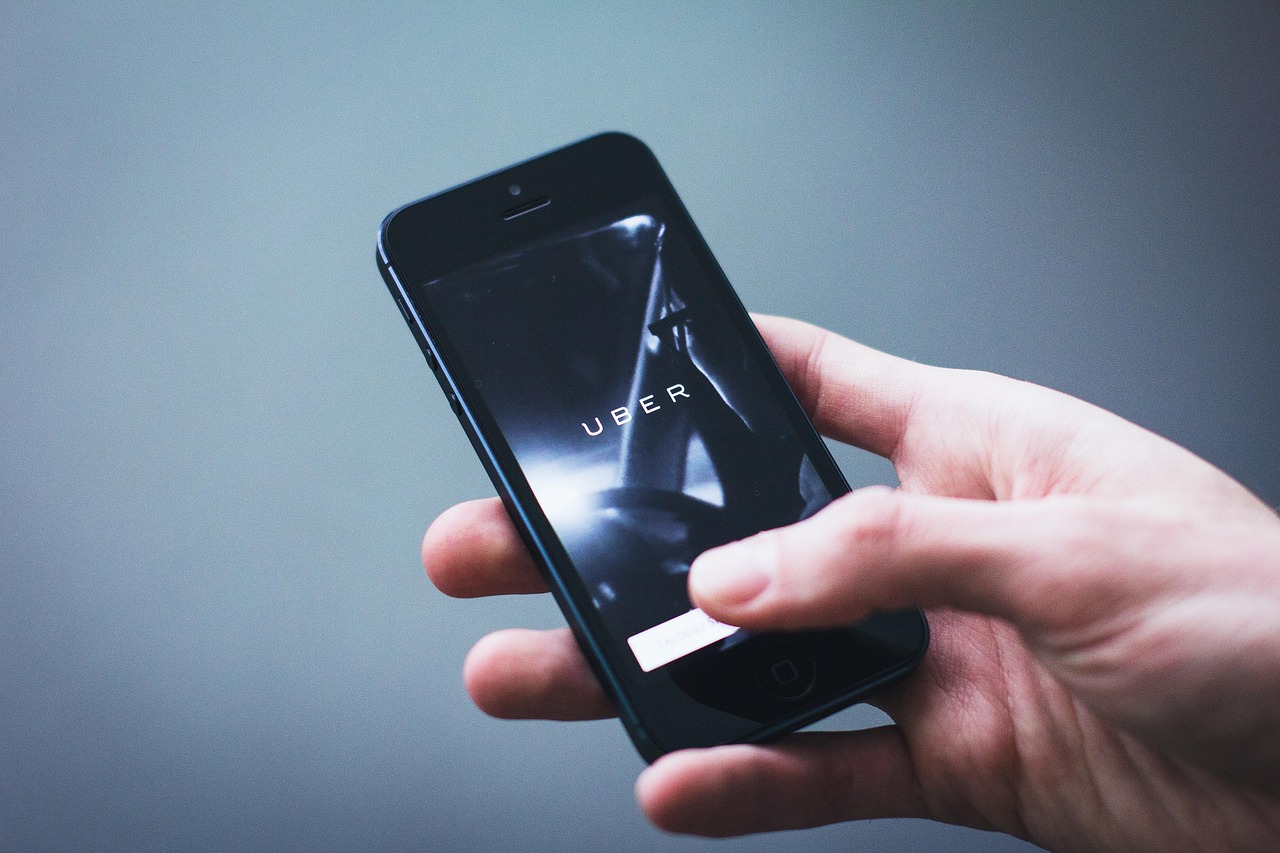
Imagine you are standing on a busy street, late at night, and you need to get home quickly. Just a few years ago, you might have struggled to find a taxi or waited a long time for public transport. Today, with just a few taps on your smartphone, a car arrives at your location in minutes. This is the world Uber has created—a world where getting from one place to another is fast, easy, and reliable. Uber is not just a ride-hailing service; it has changed the way people move, work, and live in cities around the globe. From its humble beginnings to becoming a global technology giant, Uber’s story is one of innovation, growth, and impact.
What Is Uber?
Uber Technologies, Inc. is an American multinational company that makes it easy for people to get rides, order food, and even ship goods using a simple app on their phones. Founded in 2009 in San Francisco, Uber started as a way to connect people with drivers using their own cars. Today, Uber operates in about 70 countries and 15,000 cities, making it the largest ride-sharing company in the world. Every day, millions of people use Uber to travel, get food delivered, or move packages.
How Does Uber Work?
Uber’s main service is ride-hailing. Here’s how it works in simple steps:
- Request a Ride: A user opens the Uber app, enters their pick-up and drop-off locations, and requests a ride.
- Matching: The app finds a nearby driver who is available and willing to take the trip.
- Trip Details: The user sees the driver’s name, car details, and estimated time of arrival.
- The Ride: The driver picks up the user and takes them to their destination.
- Payment: The fare is calculated based on distance, time, and demand. Payment is made automatically through the app.
- Rating: After the ride, both the rider and the driver can rate each other and leave feedback.
Uber also offers other services, such as food delivery (Uber Eats), package delivery, and freight transport for businesses.
Uber’s Business Model: Simple but Powerful
Uber is a platform that connects two groups: people who need rides (riders) and people who have cars and want to earn money (drivers). Uber does not own most of the cars or employ the drivers directly. Instead, it acts as a middleman, making money by taking a commission from each ride.
- Commission: Uber usually takes about 20% of the fare, while the rest goes to the driver.
- Surge Pricing: When demand is high, Uber’s prices go up. This is called surge pricing and helps make sure there are enough drivers on the road.
- Multiple Services: Uber offers different types of rides, from budget options (UberX) to luxury cars (Uber Black), shared rides (Uber Pool), and even electric bikes and scooters in some cities.
- Other Revenue: Uber also earns from delivery services, cancellation fees, and advertising on its app.
Uber’s Growth in Numbers
Uber’s growth has been impressive. Here are some key statistics from 2025:
- Monthly Active Users: 170 million people use Uber’s platform every month, up 14% from the previous year.
- Drivers and Couriers: Over 6 million people drive or deliver for Uber worldwide.
- Trips: Uber coordinates about 3 billion trips every quarter, or about 28 million trips per day.
- Revenue: In the first quarter of 2025, Uber’s revenue reached $11.5 billion, a 14% increase from the previous year.
- Gross Bookings: Total bookings (the value of all rides and deliveries) were $42.8 billion for the quarter, up 14%.
- Profit: Uber reported a net profit of $1.8 billion in the first quarter of 2025, a big improvement from earlier years when it often lost money.
- Employees: Uber has about 31,100 employees worldwide.
Uber’s Main Services
1. Mobility (Rides)
This is Uber’s core business. It connects riders with drivers for quick, reliable rides. Users can choose from different options based on their needs and budget, such as:
- UberX: Affordable everyday rides.
- Uber Comfort: Newer cars with extra legroom.
- Uber Pool: Shared rides with other passengers.
- Uber Black: Premium rides in luxury cars.
- Uber Green: Rides in electric vehicles.
- Uber Auto: Auto rickshaw rides in some countries.
- Uber WAV: Wheelchair-accessible vehicles.
2. Delivery (Uber Eats)
Uber Eats allows users to order food, groceries, and other items from local stores and restaurants. Couriers deliver the orders to the customer’s door. In the first quarter of 2025, Uber Eats generated $3.78 billion in revenue, up 18% from the previous year.
3. Freight
Uber Freight connects businesses that need to ship goods with truck drivers and carriers. It is a digital marketplace for freight logistics and helps automate the process of booking shipments. In early 2025, Uber’s Freight segment generated $1.26 billion in revenue.
The Technology Behind Uber
Uber’s success is built on technology. The app uses GPS to find locations, matches riders with drivers, and calculates fares. It uses algorithms to set prices based on demand and supply. The platform also collects feedback from both riders and drivers to improve service quality. Uber is investing in new technologies, such as self-driving cars and electric vehicles, to shape the future of transportation.
Uber’s Impact on Society
Uber has changed the way people travel in cities. It has made transportation more convenient and often cheaper than traditional taxis. It has also created new job opportunities for millions of people who want flexible work as drivers or delivery partners.
However, Uber’s impact has not been without controversy:
- Taxi Industry: Many traditional taxi drivers have lost business to Uber, leading to protests in some cities.
- Driver Earnings: Some drivers say that the pay is low, especially after accounting for expenses like fuel and insurance.
- Regulation: Uber has faced legal battles and bans in some countries over issues like safety, employment rights, and competition.
Uber’s Global Reach
Uber operates in about 70 countries and 15,000 cities. Its largest markets are in the United States, but it is also popular in Latin America, Europe, the Middle East, Africa, and Asia-Pacific. Uber adapts its services to local needs, offering auto rickshaws in India, electric bikes in Europe, and even boat rides in some cities.
Uber’s Future: Going Green and Beyond
Uber has big plans for the future. The company is working to become a fully electric, zero-emission platform by 2040. This means that, by then, all Uber rides will take place in electric vehicles. Uber is also investing in autonomous (self-driving) vehicles and new types of mobility, such as flying taxis.
Conclusion: Uber’s Journey Continues
Uber started as a simple idea to make it easier to get a ride. Today, it is a global company that moves people, food, and goods around the world. With millions of users and drivers, billions of trips, and a focus on innovation, Uber continues to shape the way we move. Whether you are a rider, a driver, or someone who orders food, Uber has become a part of everyday life for many people. As Uber looks to the future, it aims to make transportation safer, greener, and even more convenient for everyone.
Leave feedback about this