
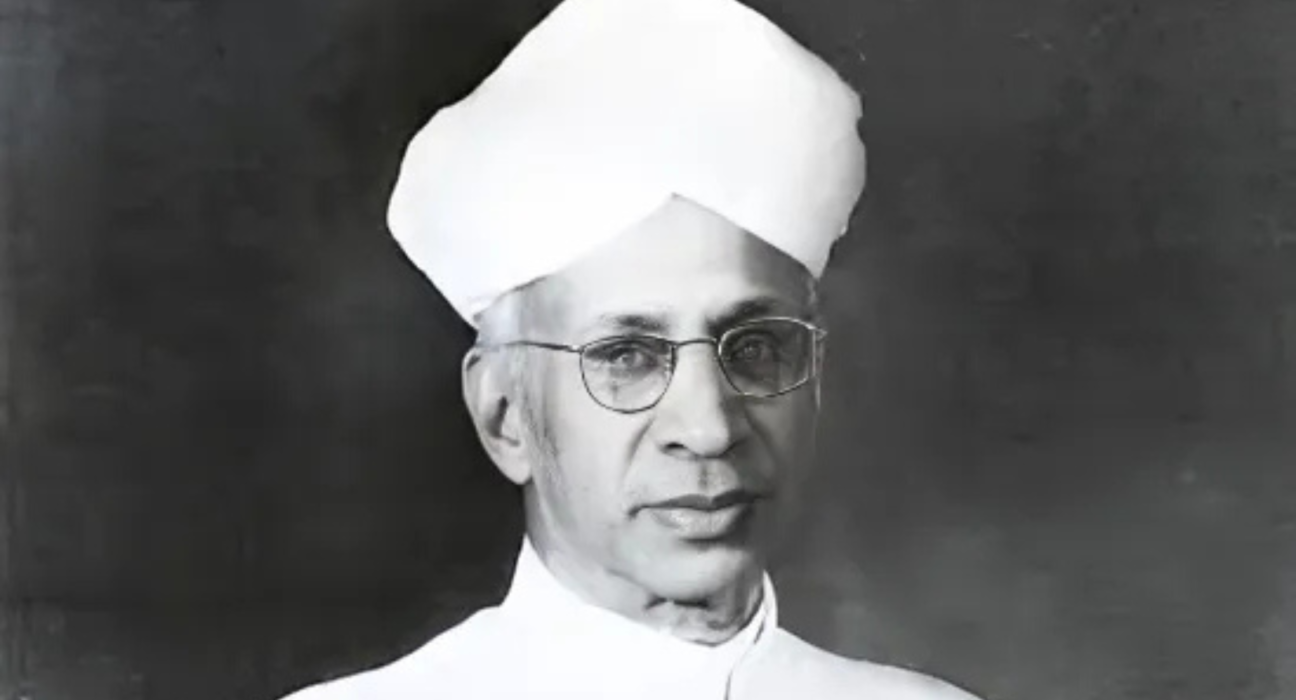
Imagine a classroom where students learn not just facts and figures, but also the values of compassion, wisdom, and self-discovery. This vision of education—rooted in both tradition and progress—was championed by one of India’s greatest thinkers, Dr. Sarvepalli Radhakrishnan. His ideas and leadership transformed the way India thinks about teaching and learning, blending ancient wisdom with modern science. Today, as we celebrate Teachers’ Day in his honor, we uncover how Radhakrishnan’s passion and philosophy shaped the future of Indian education.
The Philosopher Who Bridged East and West
Dr. Sarvepalli Radhakrishnan was not just a teacher—he was a philosopher who believed in the power of ideas to change the world. He spent his life studying and explaining Indian philosophy, especially the wisdom found in the Vedas and Upanishads. Radhakrishnan made these ancient teachings accessible to everyone, both in India and abroad. He showed how Indian philosophy is logical, ethical, and full of practical wisdom, not just mystic ritual,
Radhakrishnan’s unique approach was to connect Indian thought with Western philosophy. He believed that learning from both traditions would help students develop a balanced view of the world. By doing so, he built bridges between cultures and made Indian philosophy respected globally. His books, like “Indian Philosophy” and “The Philosophy of the Upanishads,” are still read by students and scholars today.
“When we think we know we cease to learn.”
Education as the Path to Holistic Growth
For Radhakrishnan, education was much more than memorizing facts or passing exams. He believed that true education should develop the whole person—mind, body, and spirit. He often said that education should help students grow intellectually, emotionally, morally, and spiritually.
Radhakrishnan’s vision included not just science and technology, but also literature, philosophy, and religion. He argued that a balanced curriculum would help students understand themselves and the world around them. He wanted education to inspire students to seek wisdom, not just knowledge. According to him, wisdom comes from understanding both the visible world (science and technology) and the invisible world (spiritual and moral values).
He believed that education should help students develop good character, social responsibility, and a sense of universal brotherhood. This holistic approach is still at the heart of many modern Indian educational policies.
The Architect of Modern Indian Higher Education
Radhakrishnan’s influence on Indian education was not limited to philosophy. As the Vice-Chancellor of Andhra University and Banaras Hindu University, he introduced many reforms that are still relevant today. He encouraged research, promoted academic freedom, and supported the idea that universities should be centers of excellence.
His most lasting contribution was as the chairman of the University Education Commission (1948-49). This commission laid the foundation for modern higher education in India. It recommended the establishment of new universities, the promotion of research, and the importance of technical education. Thanks to these recommendations, institutions like the Indian Institutes of Technology (IITs) were created, making India a global leader in science and technology.
Radhakrishnan also believed that universities should have the freedom to design their own courses and make academic decisions without outside interference. He wanted education to be flexible, innovative, and responsive to the needs of the nation.
The Teacher as a Role Model and Nation Builder
Radhakrishnan had deep respect for teachers, whom he called the “backbone of any country’s future.” He believed that teachers should be role models, inspiring students not just through their knowledge, but also through their character and dedication.
He argued that teachers should encourage students to think critically, ask questions, and develop independent judgment. A good teacher, according to Radhakrishnan, is someone who is always learning, open to new ideas, and passionate about their subject.
Radhakrishnan’s birthday, September 5th, is celebrated as Teachers’ Day in India. This is a tribute to his lifelong commitment to education and his belief in the importance of teachers in shaping society.
Legacy: Education for Equality, Democracy, and Progress
Radhakrishnan’s vision for education was not just about individual growth—it was also about building a better society. He believed that education could break down social barriers, promote equality, and create a classless society.
He wanted education to be accessible to all, regardless of caste, gender, or background. He supported the idea that women should receive education that prepares them for their roles in society, including subjects like home science, fine arts, and ethics.
Radhakrishnan also believed that education should prepare students for democracy. He wanted students to develop values like fearlessness, integrity, and social responsibility. In his view, education should help people understand their rights and duties as citizens, and inspire them to work for the common good.
His ideas continue to inspire educators and policymakers in India and around the world. Radhakrishnan’s legacy is a reminder that education is not just about passing exams—it is about creating thoughtful, compassionate, and responsible citizens who can lead society forward.
Conclusion
Sarvepalli Radhakrishnan’s role in shaping modern Indian education is immense. He was a philosopher, a teacher, and a leader who believed in the power of education to transform lives and societies. By blending tradition with progress, and by valuing both knowledge and wisdom, Radhakrishnan created a vision of education that is still relevant today. His legacy lives on in every classroom, every teacher, and every student who believes in the power of learning to change the world.