



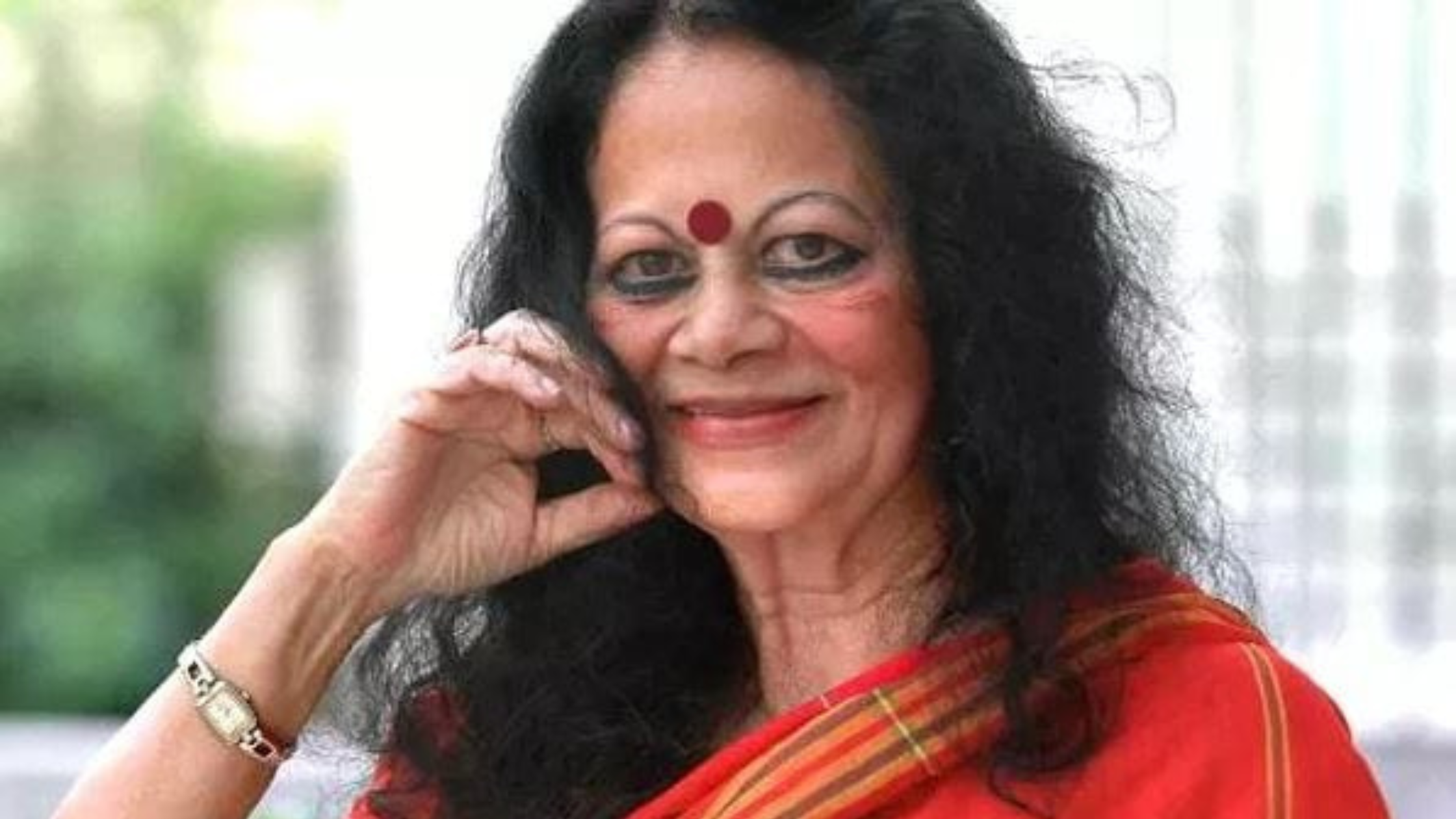
Indira Goswami, also known by her pen name Mamoni Raisom Goswami and affectionately called Mamoni Baideo, stands as one of the most influential and courageous voices in Indian literature. Born in Assam in 1942, she became a celebrated writer, professor, and activist whose works and life story continue to inspire millions. Her writing, deeply rooted in empathy and realism, gave voice to the marginalized and challenged societal taboos. Through her literature and activism, she left an indelible mark not only on Assamese culture but also on the broader canvas of Indian society.
Early Life and Education
Indira Goswami was born on November 14, 1942, in Guwahati, Assam, into a Brahmin family that valued education and culture. Her father, Umakanta Goswami, and mother, Ambika Devi, ensured that she grew up in an environment where books and learning were cherished. She attended Latashil Primary School and Pine Mount School in Shillong before completing her high school education at Tarini Charan Girls’ School in Guwahati. Indira’s love for literature blossomed early, and she went on to study Assamese literature at Cotton College, followed by postgraduate studies at Gauhati University.
The Spark of Writing
Indira’s journey as a writer began when she was just 13 years old. Encouraged by editor Kirti Nath Hazarika, her first short stories were published in a literary journal, giving her the confidence to pursue writing seriously. Her early works reflected her keen observation of society and her empathy for those who suffered. During her university years, she continued to write poetry and prose, publishing her first collection of short stories, Chinaki Morom, in 1962.
Personal Tragedy and Transformation
Indira Goswami’s life was shaped by profound personal loss. In 1966, she married Madhaven Raisom Iyengar, an engineer. Tragically, her husband died in a car accident just 18 months after their marriage. The grief from this loss plunged her into deep depression, and she struggled with thoughts of suicide. Seeking solace, she began teaching at Goalpara Sainik School in Assam and later moved to Vrindavan, a holy town in Uttar Pradesh, to immerse herself in spiritual pursuits. This period of her life would profoundly influence her writing and worldview.
Life in Vrindavan: Inspiration and Empathy
Vrindavan, known as the city of Lord Krishna, became a turning point for Indira. There, she witnessed the harsh realities faced by widows-poverty, isolation, and exploitation2. Her experiences as a widow herself allowed her to connect deeply with their struggles. These observations became the basis for her novel The Blue-Necked Braja (Neelkanthi Braja), which exposed the plight of Vrindavan’s widows and challenged religious and social norms. The novel was groundbreaking in its honesty and empathy, earning both praise and criticism for its boldness.
Literary Achievements and Major Works
Indira Goswami’s literary career is marked by a series of powerful novels and short stories that address social injustice, gender inequality, and the struggles of the marginalized. Her writing style is fresh, original, and deeply evocative, blending vivid imagery with emotional depth.
a. The Moth-Eaten Howdah of the Tusker: One of her most acclaimed novels, The Moth-Eaten Howdah of the Tusker (Dontal Hatir Une Khowa Howdah), explores the lives of Brahmin widows in Assam and their battle against oppressive traditions. The novel’s unflinching portrayal of their suffering and resilience made it a modern classic. It was later adapted into the award-winning film Adajya, further amplifying its impact.
b. Pages Stained With Blood: In Pages Stained With Blood, Indira turned her attention to the anti-Sikh riots of 1984 in Delhi. Through the eyes of a university professor, she depicted the horror and trauma experienced by ordinary people during the violence. The novel is both a personal reflection and a powerful commentary on communal conflict.’
c. Other Works: Indira’s literary repertoire includes poetry, essays, and research. Her comparative study of the Ramayana–Ramayana from Ganga to Brahmaputra-examined the epic’s versions in different Indian languages, showcasing her scholarly depth. Her stories and novels have been translated into many languages, bringing her voice to a global audience.
Themes in Her Writing
Indira Goswami’s works are characterized by their empathy for the downtrodden and their critique of social injustice. She wrote about:
- The plight of widows and women facing discrimination
- The impact of caste and religious orthodoxy
- The trauma of political violence and insurgency
- The struggles of marginalized communities
Her characters are often ordinary people caught in extraordinary circumstances. Through their stories, she exposed the hidden wounds of society and called for compassion and change.
Academic Career and Mentorship
In addition to her literary achievements, Indira Goswami was a dedicated academic. She taught Assamese literature at Delhi University for many years, where she inspired a generation of students and young writers. She used her platform to promote Assamese language and culture, encouraging critical thinking about social issues. Her guidance and mentorship helped shape the careers of many aspiring writers.
Activism and Peace Efforts
Indira Goswami was not only a writer but also a committed activist. Assam, her home state, has long been troubled by political unrest and insurgency. Indira played a crucial role in peace negotiations between the United Liberation Front of Asom (ULFA), a militant group, and the Government of India. She helped form the People’s Consultative Group (PCG), which aimed to bring both sides to the table for dialogue. Although she described herself as an “observer” rather than a mediator, her involvement was instrumental in initiating peace talks and promoting reconciliation. Her efforts earned her widespread respect and demonstrated her dedication to peace and justice.
Recognition and Awards
Indira Goswami’s contributions to literature and society were widely recognized. She received numerous awards, including:
- Sahitya Akademi Award (1983) for her novel Mamore Dhora Tarowal
- Jnanpith Award (2000), India’s highest literary honor
- Asam Sahitya Sabha Award (1988)
- Bharat Nirman Award (1989)
- Katha National Award for Literature (1993)
- Padma Shri (2002), which she declined
- Prince Claus Award (2008)
- Krishnakanta Handique Award (2009)
Her works have been performed on stage and adapted into films, further cementing her legacy in Indian culture.
Personal Qualities and Legacy
Indira Goswami was known for her courage, empathy, and unwavering commitment to justice. She was not afraid to challenge tradition or confront uncomfortable truths. Her writing style was evocative, her language rich with imagery, and her characters deeply human. She believed in the power of literature to inspire change and give voice to the voiceless.
Even after her death on November 29, 2011, Indira Goswami’s influence endures. Her novels and stories continue to be read, studied, and celebrated across India and beyond. She remains a beacon of hope for those who believe in the transformative power of words.
Conclusion
Indira Goswami’s life and work are a testament to the strength of the human spirit. She turned personal tragedy into creative energy, using her pen to fight for those who could not fight for themselves. As a writer, academic, and activist, she broke barriers and challenged the status quo. Her legacy is not just in the books she wrote, but in the lives she touched and the social change she inspired.
Indira Goswami will always be remembered as a literary icon, a fearless activist, and a compassionate human being. Her story reminds us that literature is not just about telling stories-it is about changing the world, one word at a time.
Leave feedback about this